
For busy professionals, time is currency. Meetings stack up. Emails multiply. Family responsibilities don’t pause. And somewhere between deadlines and daily obligations, health quietly slips down the priority list.
Prevention healthcare is the solution to that cycle.
Prevention healthcare focuses on identifying risks, detecting disease early, and maintaining optimal wellness before symptoms interrupt your life. Instead of reacting to illness, it helps you stay ahead of it — protecting your energy, productivity, and long-term well-being.
If you’re health-conscious but struggling to fit medical care into your schedule, this guide will show you how prevention healthcare works, why it matters, and how primary care makes it practical — even for the busiest lifestyle.
What Is Prevention Healthcare?
Prevention healthcare is a structured approach to medical care that emphasizes:
- Routine health screenings
- Annual physical exams
- Chronic disease risk assessments
- Vaccinations
- Lifestyle counseling (nutrition, exercise, stress management)
- Early detection of conditions like heart disease, diabetes, and certain cancers
Rather than waiting for symptoms to disrupt your life, prevention healthcare aims to identify potential issues before they become serious.
For professionals juggling demanding schedules, this approach minimizes surprises — fewer urgent visits, fewer unexpected diagnoses, and fewer interruptions.
Why Busy Professionals Delay Care (And Why That’s Risky)
Even individuals who value health often postpone primary care because:
- “I feel fine.”
- “I don’t have time.”
- “I’ll schedule it next quarter.”
- “I’ll go if something’s wrong.”
The problem? Many serious health conditions develop silently.
High blood pressure can go unnoticed for years.
Elevated blood sugar may show no symptoms initially.
Cholesterol imbalances rarely cause immediate warning signs.
Without preventive monitoring, these issues may only be discovered after complications arise — which often means more time off work, higher stress, and more intensive treatment.
Prevention healthcare protects your future time by requiring a small, consistent investment of your present time.
The Core Components of Prevention Healthcare

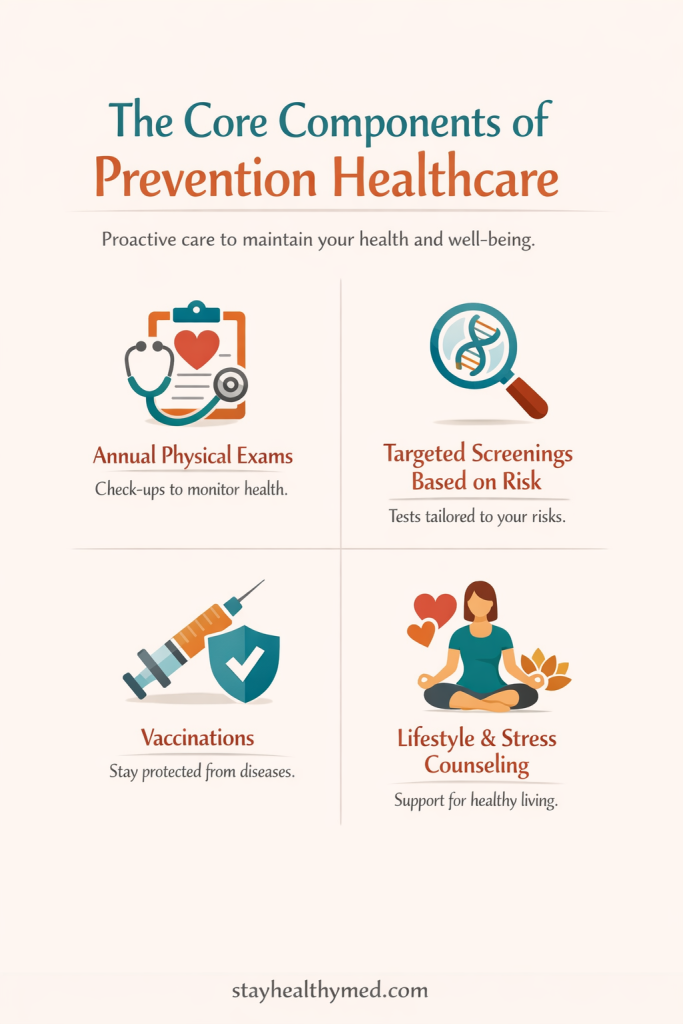
Prevention healthcare is built around a few essential elements that keep your health on track. Focusing on these core components helps detect risks early, maintain wellness, and minimize disruptions to your busy life.
1. Annual Physical Exams
Your annual exam is more than a quick checkup. It typically includes:
- Blood pressure evaluation
- Weight and body composition assessment
- Laboratory testing (cholesterol, glucose, thyroid, etc.)
- Medication review
- Discussion of lifestyle habits
- Mental health screening
For professionals under constant stress, these visits are essential checkpoints.
2. Targeted Screenings Based on Risk
Prevention healthcare adapts to your age, family history, and lifestyle. Depending on your profile, this may include:
- Cardiovascular risk assessments
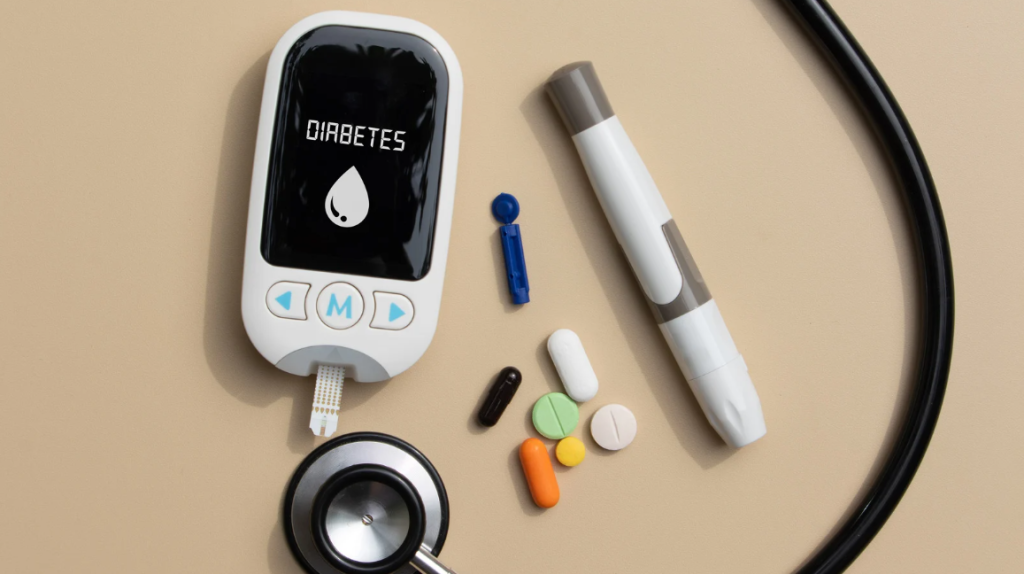
- Diabetes screening
- Cancer screenings
- Bone density testing
- Hormonal evaluations
Early detection dramatically improves treatment outcomes — and often prevents disease progression entirely.
3. Vaccinations
Vaccines aren’t just for children. Adults benefit from:
- Influenza vaccines
- Tetanus boosters
- Pneumonia vaccines (when appropriate)
- Other age-specific immunizations
For professionals who travel or interact with large teams, staying up-to-date reduces downtime from preventable illness.
4. Lifestyle & Stress Counseling
Burnout is common among high-performing professionals. Prevention healthcare includes proactive conversations about:
- Sleep quality
- Nutritional patterns
- Physical activity
- Alcohol consumption
- Stress management
- Mental wellness
Small adjustments, when implemented early, prevent long-term complications.
The Link Between Prevention Healthcare and Productivity
Healthy professionals perform better.
Prevention healthcare supports:
- Sustained energy levels
- Improved focus and cognitive performance
- Fewer sick days
- Reduced stress from unexpected health crises
- Better long-term career stability
Ignoring preventive care may seem efficient in the short term, but illness is far more disruptive than a scheduled checkup.
A one-hour appointment today may prevent weeks of recovery later.
When You “Feel Fine” but Still Need Primary Care
One of the most common misconceptions is that primary care is only necessary when symptoms appear.
In reality, the healthiest people benefit the most from prevention healthcare. Why?
Because maintaining health is easier than restoring it.
Primary care helps you:
- Track subtle changes over time
- Establish baselines for labs and vitals
- Monitor stress-related physical effects
- Adjust habits before disease develops
Prevention healthcare isn’t reactive. It’s strategic.
How Primary Care Makes Prevention Healthcare Practical

Primary care physicians are the foundation of prevention healthcare. They provide:
- Comprehensive oversight of your entire health profile
- Continuity of care over time
- Coordinated referrals when needed
- Medication management
- Personalized health planning
For busy professionals, the key advantage of primary care is consistency. When one provider understands your history, lifestyle, and goals, care becomes more efficient and meaningful.
Why Traditional Healthcare Can Feel Disruptive
Many professionals avoid care not because they don’t value it — but because the system feels inconvenient. The structure of traditional healthcare often creates barriers that make even routine preventive visits feel like a chore:
- Long wait times – It can take weeks or even months to secure an appointment, and once there, waiting in the office can eat up your valuable day.
- Short appointments – With 10–15 minute slots, there’s little time to discuss complex health questions or develop a meaningful plan for prevention.
- Limited provider access – Communication outside scheduled visits is often restricted, leaving questions unanswered and concerns unresolved.
- Complex insurance processes – Copays, prior authorizations, and confusing coverage rules can turn simple checkups into stressful administrative tasks.
This combination of delays, limited access, and administrative hurdles often leads to postponed visits, fragmented care, and missed opportunities for early detection.
Prevention healthcare works best when access is simple, timely, and consistent — allowing professionals to maintain their health without disruption to their busy lives.
Stay Healthy! LLC Direct Primary Care Membership
Direct Primary Care (DPC) is primary care with important key differences.
Unlike traditional insurance-based models, Direct Primary Care focuses on the provider–client relationship and accessibility.
Key characteristics include:
- A provider who listens
- A provider who will always make time for you and your needs
- A provider–client relationship that promotes better health outcomes
- An enhanced patient experience
- Unrestrictive access to your healthcare provider
- Little to no wait time
- Longer appointments (in person, virtual, or phone)
For busy professionals, this model removes many of the barriers that prevent consistent prevention healthcare.
Instead of navigating multiple systems, you build a relationship with a provider who understands your health goals and supports them proactively.
Prevention Healthcare During High-Stress Seasons

Certain periods increase health risk for professionals:
- Career transitions
- Business launches
- Extended travel
- Parenting young children
- Caregiving for aging parents
Stress impacts blood pressure, sleep, immunity, and metabolic health.
Prevention healthcare during these seasons may include:
- More frequent monitoring
- Stress-reduction strategies
- Nutritional adjustments
- Mental health screenings
- Medication reassessment
Health support should increase when life intensifies — not disappear.
Signs You Should Prioritize Primary Care Now
You don’t need to feel sick to need primary care. However, you should schedule preventive evaluation if:
- You haven’t had a physical exam in over a year
- You have a family history of heart disease, diabetes, or cancer
- You’re experiencing chronic stress
- Your sleep has declined
- Your energy levels are inconsistent
- You’re managing multiple responsibilities with little rest
- You take daily medications without routine review
These are not emergencies — they are signals for prevention.
The Long-Term Advantage of Consistent Prevention Healthcare
Professionals who commit to prevention healthcare often experience:
- Earlier detection of issues
- Lower risk of chronic disease complications
- Better weight and metabolic control
- Improved cardiovascular health
- More stable mental wellness
- Greater confidence in long-term health planning
Most importantly, they experience fewer major disruptions.
Health stability creates life stability.
Protecting Your Health Without Sacrificing Your Schedule
Prevention healthcare is not an extra task on your to-do list. It is the structure that protects everything else on that list.
For busy professionals, the goal is not just avoiding illness — it is maintaining clarity, energy, and resilience for the long term.
Primary care makes that possible through consistent oversight, early detection, and personalized planning.
If you are health-conscious, navigating high responsibility, or simply recognizing that your schedule should not prevent you from prioritizing your well-being, it may be time to explore a more accessible primary care approach.
Take the next step toward protecting your long-term health.Learn how Primary Care through Stay Healthy! LLC can support your prevention healthcare goals and help you achieve — and maintain — your healthiest self.