

Mental health touches every corner of human life — from how we think, feel, and act to the way we connect with others and handle life’s challenges. Yet, for many people, mental health conditions remain clouded by misunderstanding and stigma.
This comprehensive guide aims to shed light on various mental health conditions, their causes, symptoms, and coping strategies. Whether you or someone you love are struggling with depression, anxiety, ADHD, bipolar disorder, or other mental health conditions, understanding is the first step toward healing — and thriving beyond the struggle.
What Is Mental Health, Really?
Mental health isn’t only the absence of mental illness. It refers to a state of emotional, psychological, and social well-being. It affects how people think, feel, and behave in daily life. Good mental health means you can manage stress, relate well with others, and make rational decisions — even in difficult times.
Unfortunately, many people experience disruptions in this balance at some point. Stress, trauma, genetics, and environmental factors can all contribute to mental health issues that require care and support.
The Growing Importance of Mental Health Awareness
Over the past decade, society’s understanding of mental health has grown dramatically. Once treated as taboo, conversations around mental illness are now taking center stage in workplaces, schools, and communities.
According to the World Health Organization, one in four people worldwide will experience a mental or neurological disorder at some point in their lives. This statistic underscores why awareness, compassion, and accessible care must be priorities for everyone — not just healthcare professionals.
And yet, despite increased awareness, stigma remains. People often hesitate to reach out for help due to fear of judgment or misunderstanding. Knowing the facts can change that narrative.
Common Mental Health Conditions and How They Affect You
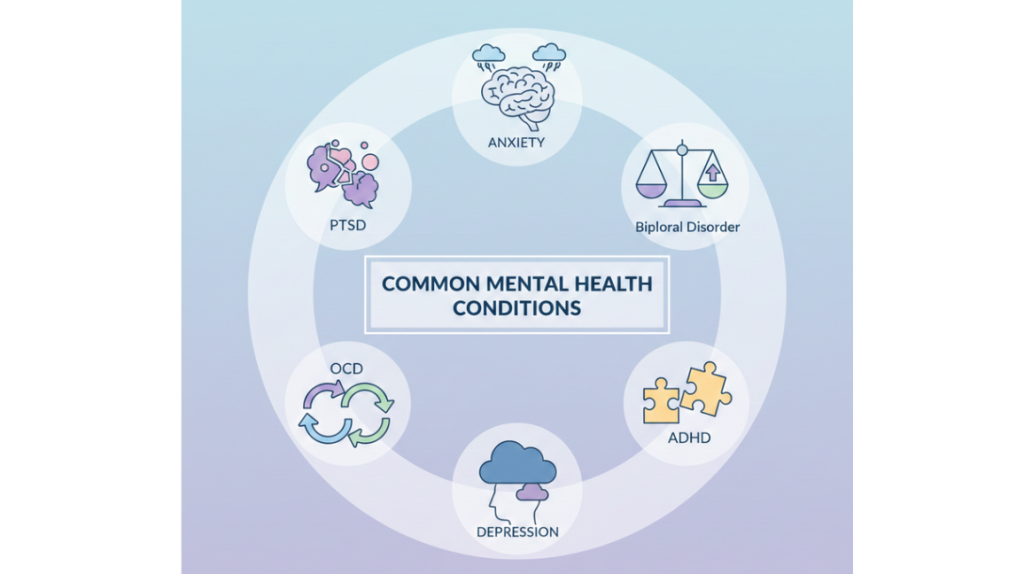
Mental health conditions vary widely in their symptoms, severity, and impact. Below are some of the most common types you may encounter — along with ways to recognize and respond to them.
1. Depression
Depression is one of the most pervasive mental health conditions worldwide. It’s more than just sadness; it’s a persistent feeling of emptiness, hopelessness, and fatigue that interferes with daily functioning.
Key symptoms include:
- Lasting sadness or low mood
- Loss of interest in activities once enjoyed
- Changes in appetite or sleep
- Feelings of guilt or worthlessness
- Difficulty concentrating
Depression can affect anyone, but it often coexists with other conditions such as anxiety or trauma-related disorders. If you suspect you might be suffering from depression, visiting a mental health professional is the first step to recovery.
If you’d like to explore this topic in depth, check out our related article: Dealing with Depression.
2. Anxiety Disorders
Feeling nervous before a presentation or big event is normal, but for people with anxiety disorders, that worry is intense, persistent, and often uncontrollable. The fear can feel overwhelming, even without an immediate threat.
Types of anxiety disorders include:
- Generalized Anxiety Disorder (GAD): Persistent worry about everyday issues.
- Panic Disorder: Sudden episodes of intense terror known as panic attacks.
- Social Anxiety Disorder: Extreme fear of being judged or embarrassed in social settings.
- Phobias: Excessive fear of a specific object or situation.
Symptoms often overlap — such as racing thoughts, rapid heart rate, and restlessness — and may impact relationships and work.
For more details, you can learn more about Anxiety Disorder and discover practical strategies for managing its symptoms.
3. Attention-Deficit/Hyperactivity Disorder (ADHD)
Often misunderstood as a childhood condition, ADHD affects both children and adults. It’s characterized by patterns of inattention, impulsivity, and hyperactivity that interfere with daily tasks and social relationships.
Common ADHD signs include:
- Difficulty staying focused or finishing tasks
- Impulsive decision-making
- Interrupting others during conversations
- Trouble organizing work or managing time
When left untreated, ADHD can contribute to low self-esteem, relationship issues, and chronic stress. The good news? Effective treatment plans — including behavioral therapy, medication, and lifestyle changes — can make a significant difference.
4. Bipolar Disorder
Bipolar disorder (formerly called manic depression) involves dramatic shifts in mood, energy, and activity levels. Those with this condition cycle between high-energy “manic” episodes and low-energy “depressive” episodes.
Signs of manic episodes include:
- Elevated or irritable mood
- Increased energy and talkativeness
- Decreased need for sleep
- Risk-taking or impulsive behavior
Signs of depressive episodes include:
- Prolonged sadness or emptiness
- Low energy and motivation
- Feelings of hopelessness
Because of its cyclical nature, bipolar disorder requires careful, ongoing management. Learn more about helpful therapies and lifestyle approaches in this article.
5. Post-Traumatic Stress Disorder (PTSD)

PTSD develops after exposure to a traumatic event — such as an accident, assault, or natural disaster. The brain continues to interpret the event as a current threat, even after the danger has passed.
Common PTSD symptoms:
- Flashbacks or nightmares
- Avoidance of reminders of the trauma
- Emotional numbness
- Hyperarousal (always feeling on edge)
Treatment often includes trauma-focused cognitive behavioral therapy (CBT), EMDR (eye movement desensitization and reprocessing), and supportive counseling.
6. Obsessive-Compulsive Disorder (OCD)
OCD causes intrusive, unwanted thoughts (obsessions) and repetitive behaviors or mental rituals (compulsions) meant to ease anxiety. For instance, someone might compulsively wash their hands for fear of contamination or repeatedly check locks for safety.
Cognitive behavioral therapy, specifically Exposure and Response Prevention (ERP), has proven to be highly effective in managing OCD symptoms.
7. Eating Disorders
Conditions such as anorexia nervosa, bulimia nervosa, and binge-eating disorder involve distorted body image and unhealthy eating behaviors. These are serious, life-threatening disorders that require comprehensive treatment.
Therapy, nutritional counseling, and medical intervention are essential for recovery. Recognition and early intervention can make a life-changing difference.
8. Personality Disorders
Personality disorders affect how individuals think, behave, and relate to others. Types include borderline, narcissistic, antisocial, and avoidant personality disorders.
For example, individuals with borderline personality disorder (BPD) may struggle with intense emotions, unstable relationships, and fear of abandonment. Treatment often focuses on developing emotional regulation and communication skills through specialized therapies like Dialectical Behavior Therapy (DBT).
Causes of Mental Health Conditions
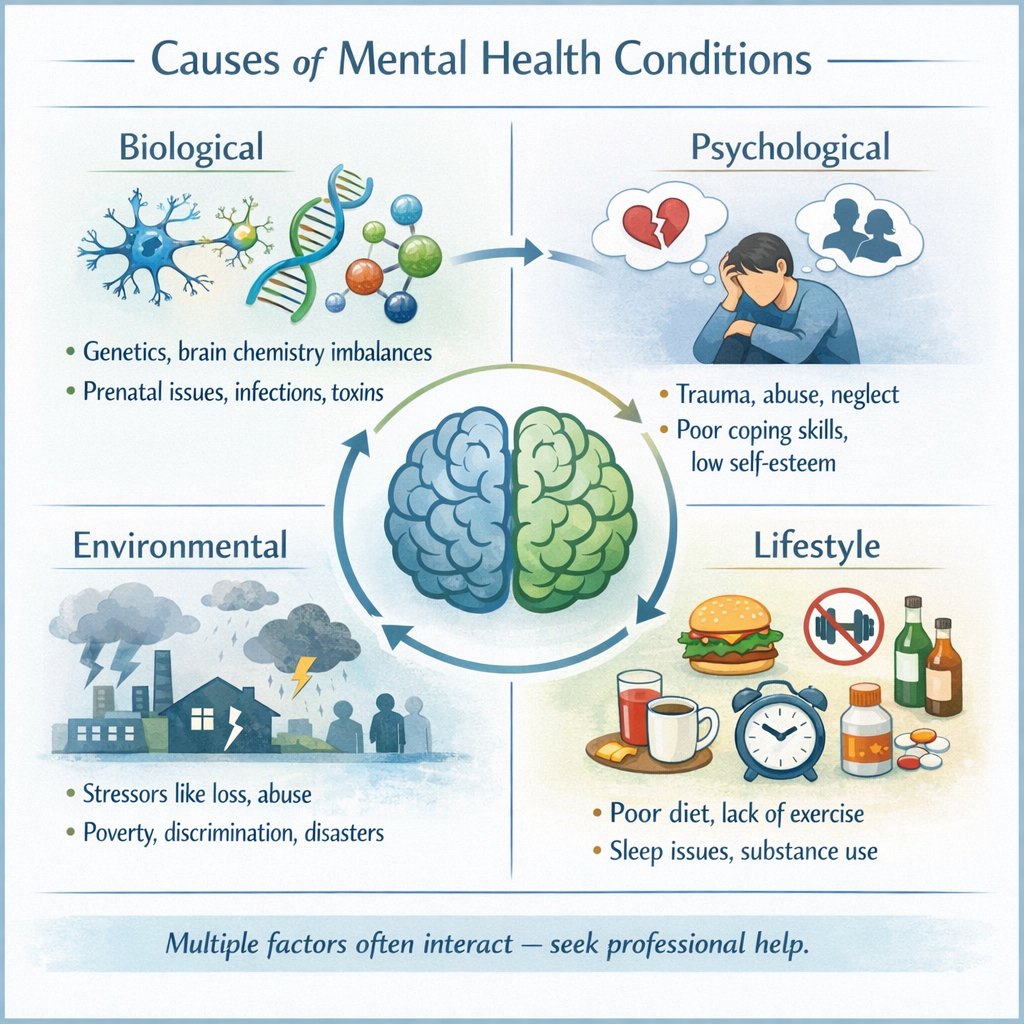
Mental health conditions are complex and rarely caused by one factor alone. They often arise from a combination of influences.
Key contributing factors include:
- Biological: Genetics, brain chemistry, or neurological differences.
- Psychological: Trauma, chronic stress, or negative thought patterns.
- Environmental: Abuse, neglect, social isolation, or substance misuse.
- Lifestyle: Poor diet, lack of exercise, and disrupted sleep patterns can worsen symptoms.
Understanding the interconnected web of influences can lead to more targeted and effective treatment plans.
Recognizing Early Warning Signs
Mental health conditions don’t always appear suddenly. More often, early signs build up gradually, signaling that help might be needed.
Watch for:
- Withdrawal from family and friends
- Decline in performance at work or school
- Sudden changes in mood or energy
- Substance use or reckless behaviors
- Thoughts of self-harm or hopelessness
- Noticeable changes in sleep patterns — sleeping too much or too little
- Unexplained physical complaints (headaches, stomachaches, fatigue)
- Loss of interest in hobbies or activities once enjoyed
- Difficulty concentrating or making decisions
- Increased irritability, anger, or emotional outbursts
- Neglect of personal hygiene or appearance
- Feelings of detachment, emptiness, or numbness
- Heightened sensitivity to noise, light, or touch
- Social withdrawal accompanied by excessive screen time or isolation
- Expressing a sense of being “trapped” or hopeless about the future
Recognizing these warning signs early provides an opportunity for timely support and intervention.
Pathways to Healing
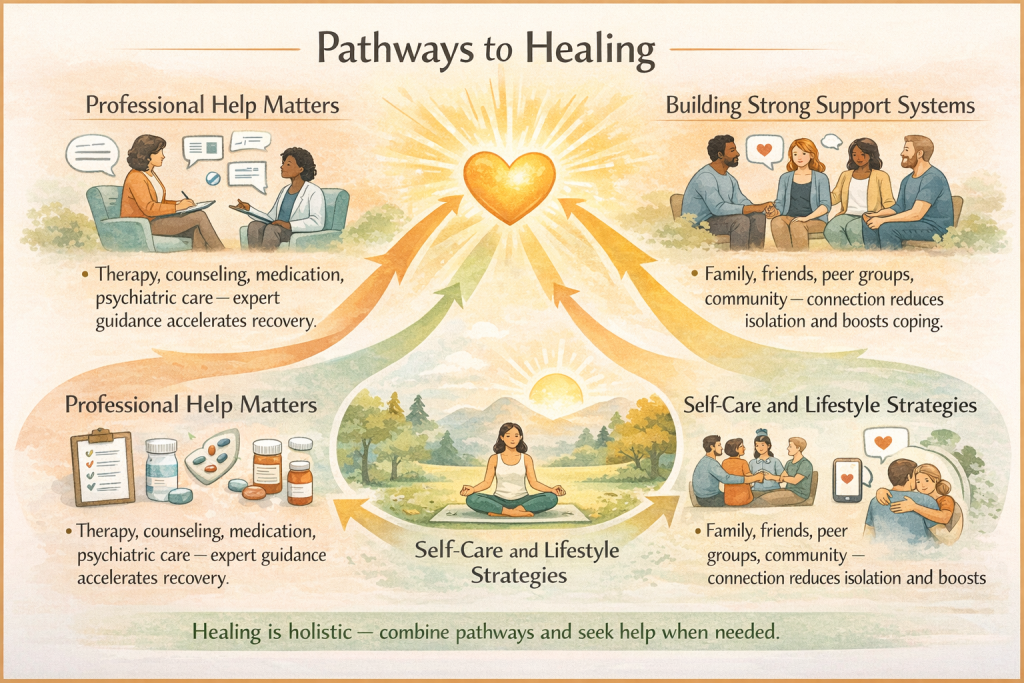
There is no single approach to managing mental health conditions because everyone’s journey is unique. However, these foundational steps provide a starting point for healing and resilience.
1. Professional Help Matters
Therapists, psychiatrists, and counselors have specialized tools and approaches for diagnosing and treating various conditions. Seeking help is an act of strength, not weakness.
Treatment may involve:
- Psychotherapy: CBT, DBT, Interpersonal Therapy, or trauma-based therapies.
- Medication: Antidepressants, mood stabilizers, stimulants, or anti-anxiety medications, depending on diagnosis.
- Support groups: Shared experiences can help reduce isolation and foster belonging.
2. Self-Care and Lifestyle Strategies
Everyday choices can significantly affect mental health. Incorporating simple, consistent practices can promote stability and healing:
- Maintain a balanced diet rich in nutrients that boost brain function.
- Engage in regular physical activity to release endorphins and improve mood.
- Prioritize quality sleep by maintaining a consistent schedule.
- Practice mindfulness or meditation to manage racing thoughts.
- Set boundaries to protect time and emotional energy.
3. Building Strong Support Systems
Human connection is one of the most powerful tools for recovery. Trusted friends, family members, mentors, and peer groups can offer emotional grounding. Remember: reaching out for help strengthens resilience — it doesn’t diminish independence.
Work and Mental Health
Mental health directly impacts productivity, creativity, and overall job satisfaction. Employers can support mental well-being through flexible work arrangements, open communication, and mental health programs.
Individuals, meanwhile, can benefit from setting realistic goals, taking breaks, and separating identity from work performance. A healthy balance fosters both mental and professional growth.
Breaking the Stigma
Stigma remains one of the biggest obstacles on the path to mental health recovery. Misconceptions — such as the belief that mental illness equals weakness or lack of willpower — keep too many people silent when they most need help. Words and attitudes matter, and every conversation can either reinforce stigma or break it apart.
You can help break the stigma by:
- Talking openly about mental health experiences. Share your story or listen to others. Honest conversations normalize struggles and remind people that they are not alone.
- Using compassionate, nonjudgmental language. Words shape perceptions. Avoid labels like “crazy” or “weak” and instead focus on understanding and support.
- Educating yourself and others about different conditions. Learn how depression, anxiety, ADHD, and bipolar disorder actually affect people — not how they’re portrayed in stereotypes.
- Supporting legislation and workplace initiatives that provide access to counseling, therapy, and community-based resources. Advocacy doesn’t have to be political — it can start within your social circle or company culture.
- Practicing empathy daily. Instead of assuming, ask how someone is doing and really listen. A small act of compassion can make a lasting difference.
Overcoming stigma starts with awareness, but it grows through consistent action. Challenge outdated beliefs, speak up when you hear harmful comments, and model a mindset that treats mental health as part of overall wellness — because it is. When we change how we talk about mental health, we make it safer for others to seek the help they deserve.
Moving from Coping to Thriving

Coping means learning to manage symptoms and stabilize your emotional world. Thriving, however, goes further — using insight, compassion, and resilience to build a fulfilling life despite challenges.
Here’s how to shift from surviving to thriving:
- Embrace purpose. Find meaning through volunteer work, creative pursuits, or spiritual practice.
- Challenge negative thought patterns. Replace self-criticism with balanced self-awareness.
- Celebrate progress. Even small steps forward are victories to be acknowledged.
- Stay consistent. Healing isn’t linear; persistence matters more than perfection.
- Give back. Helping others facing similar struggles strengthens your own recovery.
Final Thoughts
Mental health is not a destination — it’s a lifelong journey of understanding, balance, and growth. Every small effort you make to care for your mind contributes to a healthier, more fulfilling life. Whether you are coping with stress, navigating a diagnosis, or supporting a loved one through their struggles, remember that recovery is possible and help is always within reach.
At Stay Healthy! LLC, we believe that your mental wellness matters just as much as your physical health. Our mission is to guide you through that journey — offering educational resources, compassionate care, and professional support that empower you to thrive beyond your challenges.
Visit Stay Healthy! LLC today to explore personalized wellness programs, expert counseling services, and practical tools designed to help you build a stronger, happier you. Your well-being begins with one decision — choose to Stay Healthy!


