Change is a constant in life. People switch jobs, move to new cities, experience health challenges, end relationships, or face financial uncertainty. While many adapt over time, others feel emotionally stuck — overwhelmed by sadness, anxiety, or stress long after the change has occurred. When this emotional response begins to interfere with everyday life, it may point to a condition known as Adjustment Disorder.
Adjustment Disorder (AD) is more common than many realize. According to the American Psychiatric Association, it affects individuals of all ages and backgrounds — often those navigating major transitions. Recognizing the signs early and finding the right form of professional and social support can make recovery faster and easier.
What Is Adjustment Disorder?
Adjustment Disorder is a short-term mental health condition that occurs when someone has difficulty coping with or adjusting to a specific stressor. Unlike chronic mental illnesses such as major depression or generalized anxiety, Adjustment Disorder is directly tied to an event or change in life circumstances — it’s situational, not lifelong.
According to the DSM-5-TR (Diagnostic and Statistical Manual of Mental Disorders, Fifth Edition, Text Revision), symptoms typically develop within three months of the triggering event. Once the stressor is resolved or the individual adapts, the symptoms typically subside — usually within six months.
Commonly referred to as “situational depression” or “stress response syndrome,” Adjustment Disorder emphasizes a person’s ability (or temporary inability) to adapt emotionally to change.
Common Stress Triggers
Any major life transition can trigger Adjustment Disorder — even those considered “positive.” What matters most is how deeply that event affects someone emotionally and psychologically.
Examples of common triggers include:
- Career or financial setbacks: Job loss, career change, layoff, demotion, or bankruptcy
- Relationship stress: Divorce, separation, infidelity, family conflict, or social isolation
- Health-related challenges: Diagnosis of a chronic condition, injury, or surgery
- Relocation or major life transitions: Moving to a new city, going off to college, military deployment, or retirement
- Loss and bereavement: Death of a loved one, close friend, or beloved pet
- Unexpected or traumatic events: Accidents, natural disasters, and other life disruptions
Two people may face the same situation and react very differently — emotional resilience, personality, and access to support networks play major roles in determining who develops Adjustment Disorder.
Recognizing the Emotional and Physical Signs

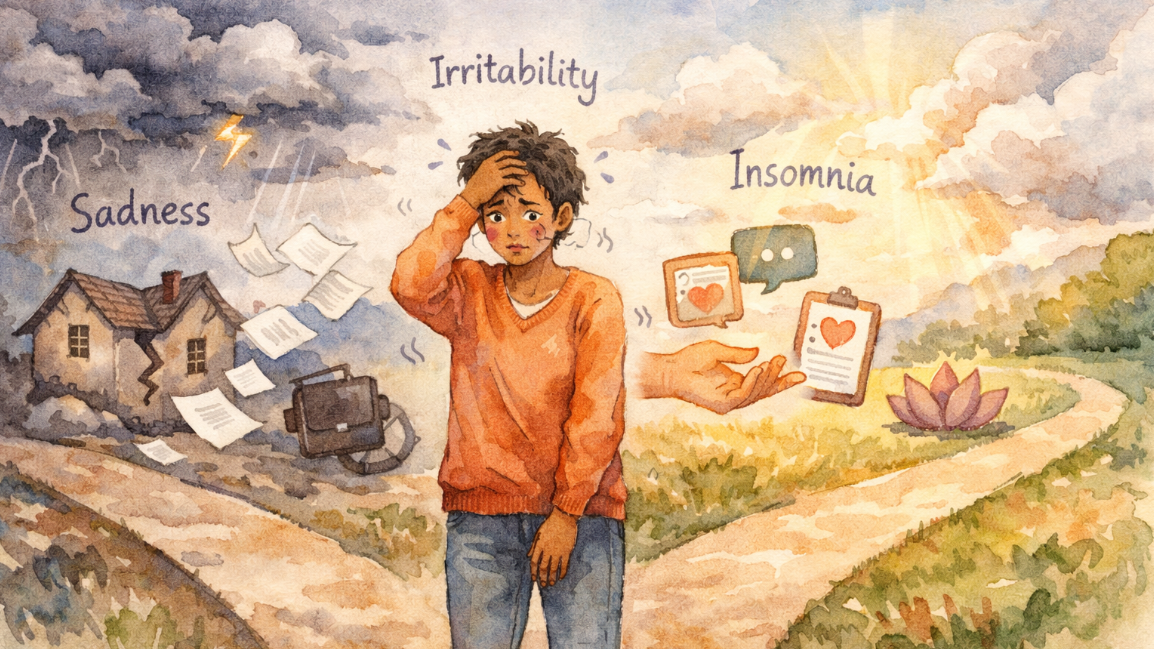
Symptoms of Adjustment Disorder can be emotional, behavioral, or physical. They represent an excessive emotional reaction to a life stressor — more intense or lasting than what would generally be expected.
Emotional and Cognitive Symptoms
- Persistent sadness, hopelessness, or frequent crying
- Feeling anxious, jittery, or tense
- Difficulty focusing or making decisions
- Overwhelming feelings of worry or fear about the future
- A sense of being “out of control” or unable to cope
Behavioral and Physical Symptoms
- Withdrawal from friends, family, or usual activities
- Sudden drop in work or academic performance
- Trouble sleeping or oversleeping
- Appetite changes or digestive issues
- Fatigue, headaches, or muscle tension
- Increased use of alcohol, nicotine, or other substances
When these symptoms persist for weeks and start interfering with daily routines, relationships, or job performance, it’s time to consider professional evaluation.
Subtypes of Adjustment Disorder
Adjustment Disorder isn’t one-size-fits-all. The DSM-5 outlines several subtypes to describe how symptoms typically present:
- With Depressed Mood: Persistent sadness, hopelessness, and lack of pleasure in normal activities.
- With Anxiety: Nervousness, restlessness, and worry dominate the emotional response.
- With Mixed Anxiety and Depressed Mood: A blend of depression and anxiety symptoms.
- With Disturbance of Conduct: Behavioral changes like aggression, risk-taking, or rule-breaking. More common in adolescents.
- With Mixed Disturbance of Emotions and Conduct: Both emotional distress and behavioral problems occur.
- Unspecified: Symptoms don’t match a single subtype but still disrupt daily life.
The specific subtype often guides the therapist’s approach to treatment and expected recovery time.
How Adjustment Disorder Differs From Depression or Anxiety
Because symptoms often overlap with major depression or generalized anxiety, Adjustment Disorder is sometimes misdiagnosed. However, the trigger, timing, and duration clearly distinguish it.
| Condition | Trigger | Duration | Key Characteristic |
| Adjustment Disorder | Clear identifiable stressor | Develops within 3 months; typically resolves within 6 months after stressor ends | Temporary, situational reaction |
| Major Depressive Disorder | May or may not have a clear cause | Can persist for years | Deep, pervasive sadness unrelated to specific events |
| Generalized Anxiety Disorder | Ongoing, generalized worries | Chronic (6+ months or more) | Worry not limited to one situation |
| PTSD (Post-Traumatic Stress Disorder) | Trauma or life-threatening event | Long-lasting, recurring | Flashbacks, hypervigilance, avoidance behaviors |
Recognizing these distinctions helps ensure people receive the right type of help — not too little, not too late.
What Increases the Risk?
While anyone can develop an Adjustment Disorder, certain factors make some people more vulnerable than others. How someone reacts to stress often depends on resilience, social support, and life experiences.
- Limited coping skills or little exposure to stress management. Without strong coping strategies, stress can build quickly and feel overwhelming.
- Lack of supportive relationships or community ties. Social isolation makes adapting to change more difficult.
- History of mental health conditions such as depression or anxiety. Prior issues can lower emotional tolerance for new stressors.
- Chronic stress, such as financial pressure or caregiving duties. Persistent demands drain mental and physical energy.
- Early-life trauma or insecure attachment history. Past experiences can heighten emotional sensitivity to current challenges.
- High emotional sensitivity or rigid personality traits. Some people naturally react more strongly or resist change.
Life stage also plays a role — teens, college students, new parents, and older adults often face transitions that can increase emotional strain and trigger symptoms.
Diagnosis and Professional Evaluation
Not everyone with Adjustment Disorder needs to consult a mental health professional — many people recover naturally once the stressor eases and proper support is in place. However, when symptoms last for weeks, interfere with daily responsibilities, or cause significant emotional distress, a professional evaluation can make a big difference in recovery and long-term wellbeing.
A licensed mental health professional — such as a psychologist, psychiatrist, or clinical social worker — can provide an accurate diagnosis through a structured assessment process:
- Clinical Interview: Reviewing emotional, behavioral, and physical symptoms alongside recent life changes and coping patterns.
- Timeline Evaluation: Determining whether symptoms appeared within three months of a stressor and evaluating their duration.
- Differential Diagnosis: Ensuring symptoms aren’t better explained by another condition such as major depression, general anxiety, PTSD, or substance use disorder.
- Functional Assessment: Assessing how distress impacts work, relationships, daily routines, and overall quality of life.
Some clinicians may also use screening tools or questionnaires to better gauge symptom severity, and occasionally, feedback from family members adds helpful perspective. While there are no lab tests for Adjustment Disorder, an accurate diagnosis depends on open communication and self-awareness.
Even if symptoms improve on their own, seeking early guidance can provide reassurance and practical coping strategies — reducing the risk of developing more serious mental health concerns down the road.
Effective Treatment Options
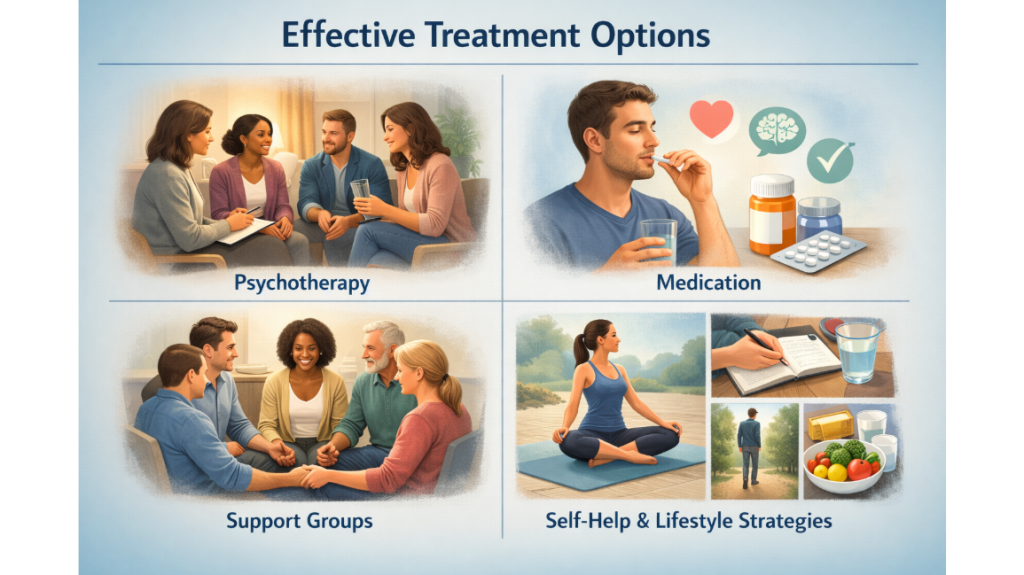
The encouraging truth is that most people with Adjustment Disorder recover well, especially when they have healthy coping skills and supportive relationships. However, when symptoms persist or start to interfere with work, relationships, or emotional wellbeing, targeted support—whether through therapy, guidance, or structured self-care—can make healing faster and more sustainable.
The goal of treatment is to help individuals regain stability, strengthen resilience, and build coping strategies for future challenges.
1. Psychotherapy (Talk Therapy)
The most effective treatment for Adjustment Disorder is psychotherapy, which helps individuals explore emotions, gain perspective, and develop tools for managing stress. Common approaches include:
- Cognitive Behavioral Therapy (CBT): Identifies and reframes negative thought patterns, teaching practical coping techniques.
- Interpersonal Therapy (IPT): Focuses on improving communication, relationships, and support systems.
- Mindfulness-Based Therapy: Encourages present-moment awareness and reduces rumination.
- Solution-Focused Brief Therapy (SFBT): Emphasizes building solutions and resilience instead of analyzing the past.
Therapy is often short-term — anywhere from a few weeks to several months — but can have lifelong benefits.
2. Medication
Medication isn’t always necessary but may help in specific cases where symptoms are severe. A psychiatrist may prescribe:
- Antidepressants (SSRIs or SNRIs): To stabilize mood and reduce sadness or anxiety.
- Anxiolytics (anti-anxiety medications): Short-term use for acute stress or insomnia.
Medication should always be used alongside talk therapy and under professional supervision.
3. Support Groups
Group therapy or support groups offer valuable connection for those going through similar challenges. Hearing others’ experiences often normalizes one’s own emotions and builds motivation for recovery.
4. Self-Help and Lifestyle Strategies
Practical self-care habits accelerate healing and promote emotional balance:
- Maintain regular sleep patterns and a consistent routine.
- Engage in physical exercise — even brief daily movement reduces stress hormones.
- Practice deep breathing, journaling, or mindfulness.
- Maintain a healthy diet rich in whole foods and hydration.
- Stay socially connected with friends, family, or spiritual communities.
- Limit alcohol, nicotine, and caffeine, which can worsen anxiety.
Developing healthy coping mechanisms now can prevent future episodes when new stressors arise.
Adjustment Disorder in Teenagers and Young Adults

Adjustment Disorder is especially frequent among teens and college-aged adults, who face rapid developmental and social changes. Signs may include:
- Academic decline or loss of motivation
- Irritability or defiance
- Withdrawal from peers or family
- Risky behaviors, including teen substance use or self-harm
In this group, prevention often means improving communication, monitoring changes in mood or performance, and encouraging early counseling when distress appears.
For parents, staying emotionally available and empathetic — without pressure or judgment — can make a dramatic difference.
Supporting a Loved One With Adjustment Disorder
When someone close to you struggles, you might feel unsure how to help. Here are practical, compassionate ways to offer support:
- Listen actively. Avoid offering quick solutions; just being present can help more than advice.
- Encourage professional help. Suggest therapy or a check-in with a mental health specialist.
- Be patient. Recovery takes time; pressure to “cheer up” can backfire.
- Maintain consistency. Regular communication shows reliability and stability.
- Model self-care. Practicing healthy coping yourself reinforces positive habits.
Support doesn’t mean rescuing someone — it means walking beside them as they heal.
When to Seek Immediate Help
If symptoms intensify — especially if a person expresses thoughts of self-harm or suicide — seek immediate assistance. Crisis support in the United States is widely available:
- National Suicide & Crisis Lifeline: Call or text 988 (24/7, free, and confidential)
- Crisis Text Line: Text HOME to 741741 to connect with a trained counselor
- SAMHSA’s National Helpline: Call 1-800-662-HELP (4357) for substance or mental health referrals
Reaching out early can prevent crises and make recovery smoother.
The Road Ahead: Healing and Prevention

Adjustment Disorder is temporary, but its impact can be significant. With time, therapy, and healthy coping, individuals often emerge more resilient and self-aware. The experience can even serve as a catalyst for personal growth and emotional strength.
Prevention tips:
- Build strong support networks before major life events.
- Engage in stress-management practices like yoga, journaling, or meditation.
- Prioritize physical health — exercise, balanced diet, and rest.
- Seek early counseling when facing major transitions.
These habits not only help prevent Adjustment Disorder but also strengthen emotional resilience overall.
Final Thoughts
In a fast-paced society where major life changes are constant, many Americans silently struggle with stress, uncertainty, and emotional overwhelm. Adjustment Disorder reminds us that it’s perfectly normal to feel off-balance when life shifts unexpectedly. What matters most is recognizing that these feelings are temporary and treatable. With time, support, and self-compassion, anyone can regain stability and peace of mind.
Recognizing the signs early and seeking professional guidance can transform painful transitions into opportunities for personal growth. Healing starts when you take that first courageous step toward understanding and support. Remember, you don’t have to face these challenges alone — real help is within reach. Stay Healthy! LLC encourages you to prioritize your mental wellbeing, connect with a trusted professional, and take proactive steps toward a healthier, more balanced life.