Feeling overwhelmed, restless, or tense is common in today’s fast-paced world. But sometimes, those sensations are more than temporary stress — they may be a sign of anxiety. Many people struggle to distinguish between stress and anxiety, leaving them unsure whether what they feel is a normal response to life or a signal that professional support may be helpful.
Understanding the difference between stress and anxiety is crucial for managing your mental health effectively. It helps you identify when self-care is sufficient, when coping strategies may need to be adjusted, and when it’s time to consult a mental health professional. This guide breaks down the key differences, symptoms, and strategies for navigating both stress and anxiety.
What Is Stress?
Stress is the body’s natural response to challenges, demands, or threats. It can be short-term or long-term and can affect both physical and mental health. Stress activates the body’s “fight-or-flight” response, releasing hormones like cortisol and adrenaline, which prepare you to face a perceived challenge.
Common sources of stress include:
- Work deadlines or pressure
- Financial concerns
- Relationship conflicts
- Major life changes, like moving or starting a new job
- Health issues
Symptoms of Stress
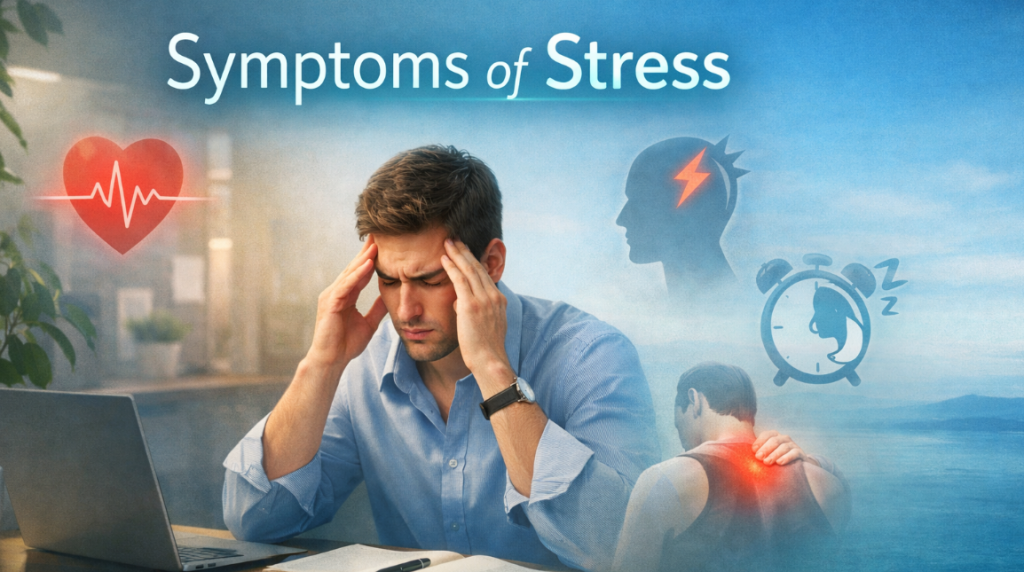
Stress can manifest in various ways, including:
- Physical symptoms: headaches, muscle tension, fatigue, stomach issues
- Emotional symptoms: irritability, frustration, restlessness, low patience
- Cognitive symptoms: difficulty concentrating, racing thoughts, forgetfulness
- Behavioral symptoms: changes in sleep, appetite, or social withdrawal
Stress is typically tied to an identifiable cause and usually eases once the situation resolves or coping strategies are applied.
What Is Anxiety?
Anxiety is a more persistent mental health condition characterized by excessive worry, fear, or apprehension. Unlike stress, anxiety may not always have a clear or immediate trigger, and it can continue even when there is no immediate threat.
Common Types of Anxiety Disorders
- Generalized Anxiety Disorder (GAD): Persistent, excessive worry about various aspects of life
- Social Anxiety Disorder: Fear of social situations or being judged by others
- Panic Disorder: Recurrent panic attacks with physical symptoms like heart palpitations, shortness of breath, or dizziness
- Specific Phobias: Intense fear of particular objects or situations
- Obsessive-Compulsive Disorder(OCD) and Post-Traumatic Stress Disorder (PTSD) are also considered anxiety-related conditions
Symptoms of Anxiety
Anxiety can affect the body, mind, and behavior:
- Physical: rapid heartbeat, sweating, trembling, dizziness, gastrointestinal upset
- Emotional: constant worry, restlessness, irritability, sense of dread
- Cognitive: difficulty concentrating, racing thoughts, overthinking potential outcomes
- Behavioral: avoidance of triggering situations, compulsive behaviors, difficulty sleeping
Unlike stress, anxiety is persistent, often disproportionate to the situation, and can interfere with daily life.
Key Differences Between Stress and Anxiety
| Feature | Stress | Anxiety |
| Trigger | Usually identifiable (work, exams, deadlines) | May be unclear or internal |
| Duration | Temporary; resolves when stressor ends | Persistent; may last weeks, months, or years |
| Emotional Response | Irritability, frustration, tension | Worry, fear, dread |
| Physical Response | Headaches, muscle tension, fatigue | Rapid heartbeat, sweating, trembling, panic attacks |
| Behavioral Impact | May affect productivity or sleep temporarily | Can interfere significantly with daily functioning |
| Treatment | Self-care, coping strategies, lifestyle adjustments | Therapy, coping strategies, sometimes medication; professional guidance often recommended |
Recognizing these differences is important because stress and anxiety require different approaches to treatment and management. Treating anxiety as if it were temporary stress can delay proper care and increase long-term distress.
When Stress Turns Into Anxiety
Not all stress leads to anxiety, but chronic or unmanaged stress can increase the risk of developing anxiety disorders. Signs that stress may be evolving into anxiety include:
- Persistent worry that doesn’t fade after the stressful situation ends
- Physical symptoms that continue long-term (e.g., heart palpitations, tension)
- Sleep disturbances lasting more than a few weeks
- Difficulty functioning in work, school, or relationships
Early recognition and proactive management are key to preventing long-term complications.
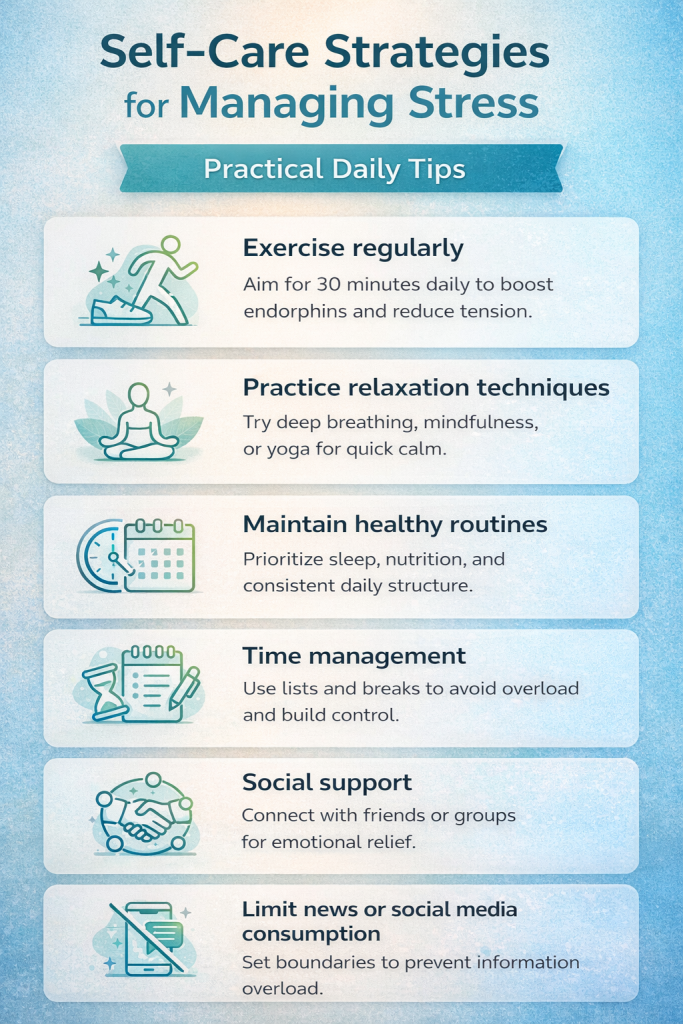
Self-Care Strategies for Managing Stress
Many stress-related symptoms can be managed through intentional lifestyle changes and consistent self-care habits. Small daily adjustments often make a significant difference in how your body and mind respond to pressure.
- Exercise regularly: Physical activity helps reduce cortisol levels and boosts mood-enhancing chemicals like endorphins. Even short walks or light stretching can relieve built-up tension.
- Practice relaxation techniques: Deep breathing, meditation, or yoga can calm the nervous system and lower heart rate. Practicing regularly improves your ability to stay centered during stressful moments.
- Maintain healthy routines: A balanced diet, consistent sleep schedule, and proper hydration support emotional stability. When your body is well-regulated, it handles stress more effectively.
- Time management: Prioritize tasks, break large projects into smaller steps, and set boundaries to prevent overload. Clear structure reduces feelings of chaos and pressure.
- Social support: Sharing challenges with trusted friends or family can ease emotional burdens. Feeling heard and supported strengthens resilience.
- Limit news or social media consumption: Reducing exposure to distressing content can prevent unnecessary stress triggers. Set specific times for checking updates instead of constant scrolling.
These strategies can be effective for most stress-related symptoms, but persistent or severe anxiety may require professional support.
When to Seek Professional Help
If symptoms are severe, persistent, or interfere with daily life, it’s time to consider seeking professional help. Consulting a psychiatrist or therapist can help determine whether your anxiety requires treatment, therapy, or a combination of both.
Seek support if you notice:
- Intense or constant worry or fear
- Panic attacks or feelings of losing control
- Avoidance of social, work, or personal activities
- Persistent physical symptoms like racing heart, dizziness, or shortness of breath
- Difficulty functioning in relationships, work, or school
Professional evaluation provides clarity, reassurance, and a tailored plan for your mental health.
Final Thoughts: Understanding Your Mental Health and Taking Action
Distinguishing between stress and anxiety is more than a semantic exercise — it’s an essential step in protecting your mental health and well-being. Awareness allows you to take proactive steps, use coping strategies effectively, and know when to seek professional support.
If stress or anxiety is interfering with your daily life, consider reaching out to a qualified mental health professional. Stay Healthy! LLC offers psychiatry services designed to provide evaluation, therapy, and, when appropriate, medication management. With guidance from an experienced psychiatrist, you can understand your symptoms, learn effective coping strategies, and develop a personalized plan to manage stress and anxiety.
Understanding the difference between stress and anxiety empowers you to take control of your mental health — and ensures that temporary tension does not evolve into chronic distress.