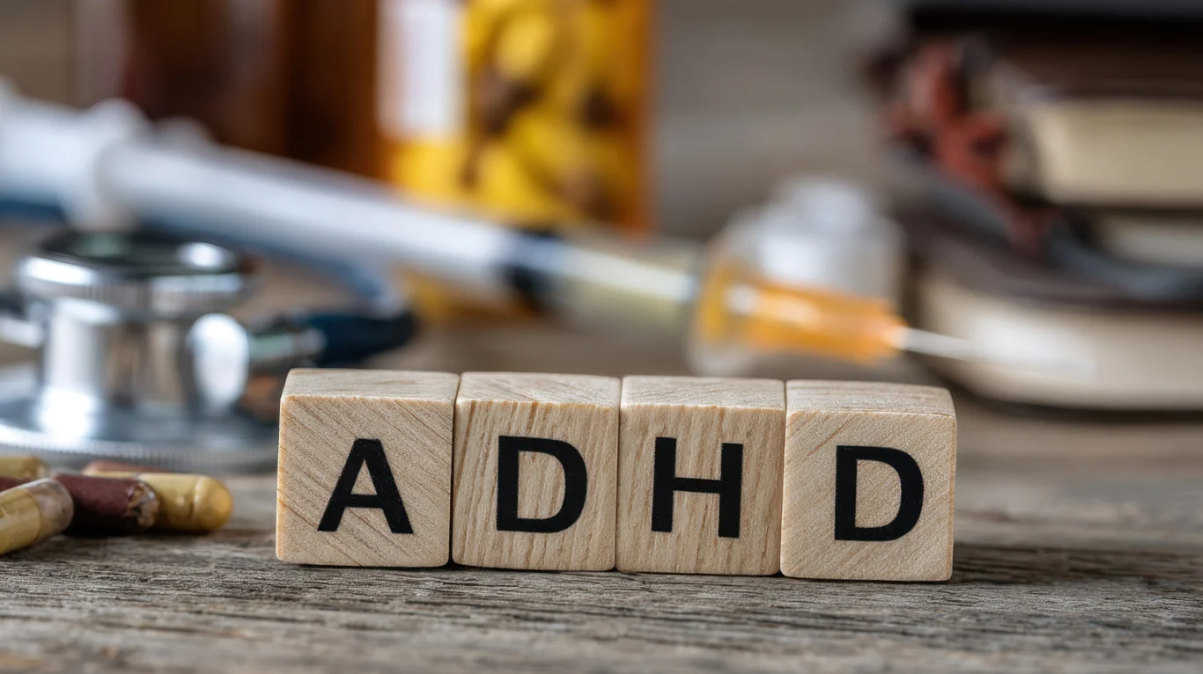
Understanding ADHD means looking past the stereotype of a “hyper” child who can’t sit still. Attention‑Deficit/Hyperactivity Disorder is a neurodevelopmental condition that affects how the brain manages focus, motivation, activity level, and impulse control. It can impact school, work, relationships, and self‑esteem across the lifespan.
Many people with ADHD grow up hearing that they are lazy, careless, or not living up to their potential. In reality, their brains are wired to process information differently, making it harder to regulate attention and follow through—even when they care deeply about the task. Recognizing ADHD as a legitimate condition, not a character flaw, is a crucial step toward support and healing.
This guide will walk through what ADHD is, what causes it, how it shows up in children and adults, how professionals diagnose and treat it, and practical strategies people use to manage symptoms day‑to‑day.
Understanding ADHD
ADHD is defined in diagnostic manuals as a persistent pattern of inattention and/or hyperactivity‑impulsivity that interferes with functioning or development. It usually begins in childhood, but many individuals are only diagnosed later in life.
Clinicians describe three main presentations:
- Predominantly inattentive presentation: People may seem easily distracted, disorganized, forgetful, or “in their own world.” They might lose items, overlook details, or struggle to complete tasks.
- Predominantly hyperactive‑impulsive presentation: This includes restlessness, fidgeting, excessive talking, interrupting, or difficulty waiting. Children may climb, run, or move constantly; adults may feel internally driven or unable to relax.
- Combined presentation: A mixture of both inattentive and hyperactive‑impulsive symptoms.
ADHD is not simply a matter of “not trying hard enough.” It is rooted in differences in brain development and functioning, particularly in areas involved in attention, planning, and self‑regulation.
Causes and Risk Factors

There is no single cause of ADHD. Most research points to a combination of genetic, neurological, and environmental factors.
Genetics and brain differences
ADHD tends to run in families. If a parent has ADHD, their child has an increased likelihood of also having it. Brain‑imaging studies show differences in the size and activity of certain brain regions involved in executive functioning, as well as in the way brain chemicals like dopamine and norepinephrine are regulated. These systems influence focus, reward, and impulse control.
Environmental influences
Certain factors may increase the risk or severity of ADHD symptoms:
- Prenatal exposure to nicotine, alcohol, or high levels of maternal stress
- Premature birth or low birth weight
- Exposure to environmental toxins such as lead
These influences do not “cause” ADHD on their own, but they can interact with genetic vulnerability.
The cost of misunderstanding
A powerful indirect “risk factor” is stigma and misinformation. When ADHD is dismissed as bad behavior or poor parenting, families may hesitate to seek evaluation or treatment. People then carry unaddressed symptoms—and the emotional scars of criticism—well into adulthood. Addressing common ADHD myths is an important part of education and advocacy.
ADHD Symptoms Across the Lifespan
ADHD symptoms can change with age. What looks disruptive in a child may appear more subtle in an adult, even though the underlying challenges are similar.
ADHD in children
In children, ADHD often shows up as:
- Difficulty staying seated or still
- Fidgeting, tapping, or constant movement
- Trouble following instructions or finishing homework
- Forgetting school materials or losing items
- Seeming not to listen when spoken to
- Struggling to wait turns or interrupting others
These behaviors can be frustrating for parents and teachers, but they are signs of a brain struggling to manage attention and impulses, not a lack of care. A deeper understanding of ADHD in children helps adults respond with structure and support rather than shame.
ADHD in adults
Many adults with ADHD describe a lifelong pattern of:
- Chronic disorganization and clutter
- Frequently being late or underestimating how long tasks will take
- Starting multiple projects and finishing few
- Feeling mentally “busy” yet unable to focus when needed
- Forgetting appointments, deadlines, or important details
- Impulsive decisions or difficulty managing money
Some adults learn to “mask” these struggles by overworking, relying on last‑minute adrenaline, or hiding how overwhelmed they feel. For people who have been compensating for years, finally learning about ADHD in adults can be incredibly validating.
Hidden Challenges: Emotions, Self‑Esteem, and Sleep

ADHD affects more than attention. Many people experience emotional regulation difficulties, such as quick frustration, heightened sensitivity to criticism, or feeling “all‑or‑nothing” about situations. These patterns can strain relationships and lead to misunderstandings.
Over time, repeated messages of being “too much,” “too loud,” or “not trying hard enough” erode self‑esteem. People may internalize the idea that they are unreliable or incapable, even though they are working extremely hard just to stay afloat.
ADHD and sleep
Sleep is another area that often suffers. Many individuals with ADHD:
- Struggle to wind down at night because their thoughts keep racing
- Stay up later than intended due to hyper‑focus on activities
- Have inconsistent sleep schedules
- Wake feeling unrefreshed, which intensifies daytime symptoms
These ADHD‑related sleep problems can create a difficult cycle: poor sleep worsens focus, mood, and impulse control, which in turn increases stress and makes it harder to rest. Addressing sleep hygiene and nighttime routines is an important part of ADHD management.
How Professionals Diagnose ADHD
Because ADHD symptoms overlap with other conditions like anxiety, depression, or learning disorders, a careful evaluation is essential. Diagnosis typically involves:
- A clinical interview covering current symptoms, childhood history, and daily functioning
- Standardized questionnaires or rating scales completed by the individual and, when appropriate, parents, partners, or teachers
- Review of school or work history, including performance and feedback
- Screening for co‑occurring conditions such as mood disorders, trauma, or substance use
There is no single blood test or brain scan that confirms ADHD. Instead, mental‑health professionals rely on patterns of symptoms, their impact on life, and how long they have been present. For adults, it is common to discover that the signs were there all along but were never recognized as ADHD.
Seeking a proper evaluation—rather than relying on social media checklists alone—helps ensure that the right diagnosis and treatment plan are in place.
Treatment Options: Building a Supportive Plan

The most effective ADHD treatment plans are personalized and often combine several approaches. What works best depends on age, symptom profile, co‑occurring conditions, and lifestyle.
Medication
Stimulant medications are among the most researched options for ADHD. They enhance the availability of certain neurotransmitters, which can improve focus, reduce impulsivity, and make tasks feel more manageable. Non‑stimulant medications are also available for people who do not respond well to stimulants or prefer a different option.
Medication is not a “magic fix,” but for many, it significantly reduces the effort required just to get through daily tasks. Decisions about medication should always be made in partnership with a qualified prescribing professional who can monitor benefits and side effects.
Therapy and ADHD coaching
Psychotherapy can be particularly helpful in teaching skills and strategies to navigate daily life. Cognitive Behavioral Therapy (CBT) can address negative beliefs like “I’m lazy” or “I always mess things up,” replacing them with more accurate thoughts and practical actions.
ADHD coaching focuses on real‑world challenges—planning, prioritizing, organizing, and following through. Coaches and therapists often help clients design systems that genuinely fit how their brains work, rather than forcing them into unrealistic routines.
School and workplace support
Children with ADHD may benefit from accommodations such as:
- Extra time on tests
- Seating away from distractions
- Breaks during long tasks
- Clear, step‑by‑step instructions
Adults can ask for adjustments at work, like predictable check‑ins, written summaries of meetings, or permission to use noise‑blocking tools. These supports are not “special treatment”—they level the playing field.
Lifestyle and holistic strategies
Healthy routines amplify the benefits of other treatments:
- Physical activity improves mood and concentration.
- Balanced nutrition stabilizes energy levels.
- Consistent sleep strengthens attention and emotional regulation.
- Mindfulness practices help individuals notice when their focus drifts and gently redirect it.
The most powerful plan is the one a person can realistically maintain. Small, sustainable changes are better than rigid routines that fall apart within a week.
Daily Management Strategies That Actually Help

Living with ADHD means designing life in a way that supports the brain, rather than constantly fighting it. Here are practical strategies many people find helpful:
Externalizing memory and tasks
- Use planners, apps, or wall calendars to track commitments.
- Set multiple alarms or reminders for important tasks and transitions.
- Keep essential items—keys, wallet, medications—in the same visible place every day.
Breaking tasks into smaller steps
Large tasks can feel overwhelming and easy to avoid. Breaking them into tiny, clear steps makes getting started less intimidating. For example:
- Open the document.
- Write a rough outline.
- Draft one section.
Completing even one small step builds momentum and confidence.
Structuring your environment
- Reduce visual clutter in key work areas.
- Use bins, labels, or color coding to make organization intuitive.
- Create a “launch pad” near the door for anything that needs to leave the house.
Protecting sleep
- Aim for a consistent bedtime and wake time, even on weekends.
- Dim screens and bright lights at least 30 minutes before bed.
- Develop a calming wind‑down routine—reading, gentle stretching, or breathing exercises.
Improving ADHD‑related sleep issues often leads to noticeable gains in focus and mood.
Prioritizing support and community
Connecting with others who live with ADHD—through support groups, online communities, or therapy—can reduce shame and provide practical ideas. Hearing other people’s experiences often reminds individuals that they are not alone and that their struggles are understandable.
Strengths and Unique Gifts of ADHD
While ADHD is often discussed in terms of challenges, many people also recognize strengths associated with their ADHD traits:
- High creativity and original thinking
- Strong problem‑solving in crisis situations
- Intense focus on topics of genuine interest
- Curiosity, humor, and energy that enliven group settings
When environments are flexible and strengths‑based, people with ADHD often excel. They may thrive in roles that are fast‑paced, varied, or creative. Highlighting these strengths is an important part of advocacy—ADHD is not just a list of deficits; it is a different way of experiencing the world.
When to Seek Professional Help

Consider reaching out to a mental‑health professional if:
- You or your child consistently struggle to stay organized or complete tasks.
- School, work, or relationships are being affected by inattention, forgetfulness, or impulsivity.
- You feel chronically overwhelmed, guilty, or “behind” despite trying your best.
- You recognize yourself in descriptions of ADHD and want clarity.
An evaluation can answer important questions and open the door to effective support. Many people describe a sense of relief—finally having a name for what they’ve been experiencing and a roadmap for what to do next.
Moving Forward with Understanding and Compassion
Understanding ADHD goes beyond identifying symptoms and instead focuses on recognizing the whole person behind the diagnosis. ADHD affects attention, impulse control, and emotional regulation, but it does not define a person’s intelligence, character, or potential. With education, empathy, and proper treatment, individuals with ADHD can succeed in school, work, and personal relationships. Whether you are learning about ADHD for yourself, your child, or a loved one, seeking support is a sign of strength and self-awareness. With the right tools and guidance, ADHD becomes a manageable part of a full and meaningful life.
Stay Healthy! LLC, we provide compassionate, comprehensive care to support individuals living with ADHD. Our psychiatric care services include evaluations, diagnosis, medication management, and ongoing mental health support tailored to each patient’s needs. We also offer primary care services, allowing us to address both physical and mental health in a coordinated and holistic way. This integrated approach helps improve daily functioning, long-term wellness, and overall quality of life. If you or a loved one needs support, Stay Healthy! LLC is here to help you take the next step toward balanced and healthier living.